
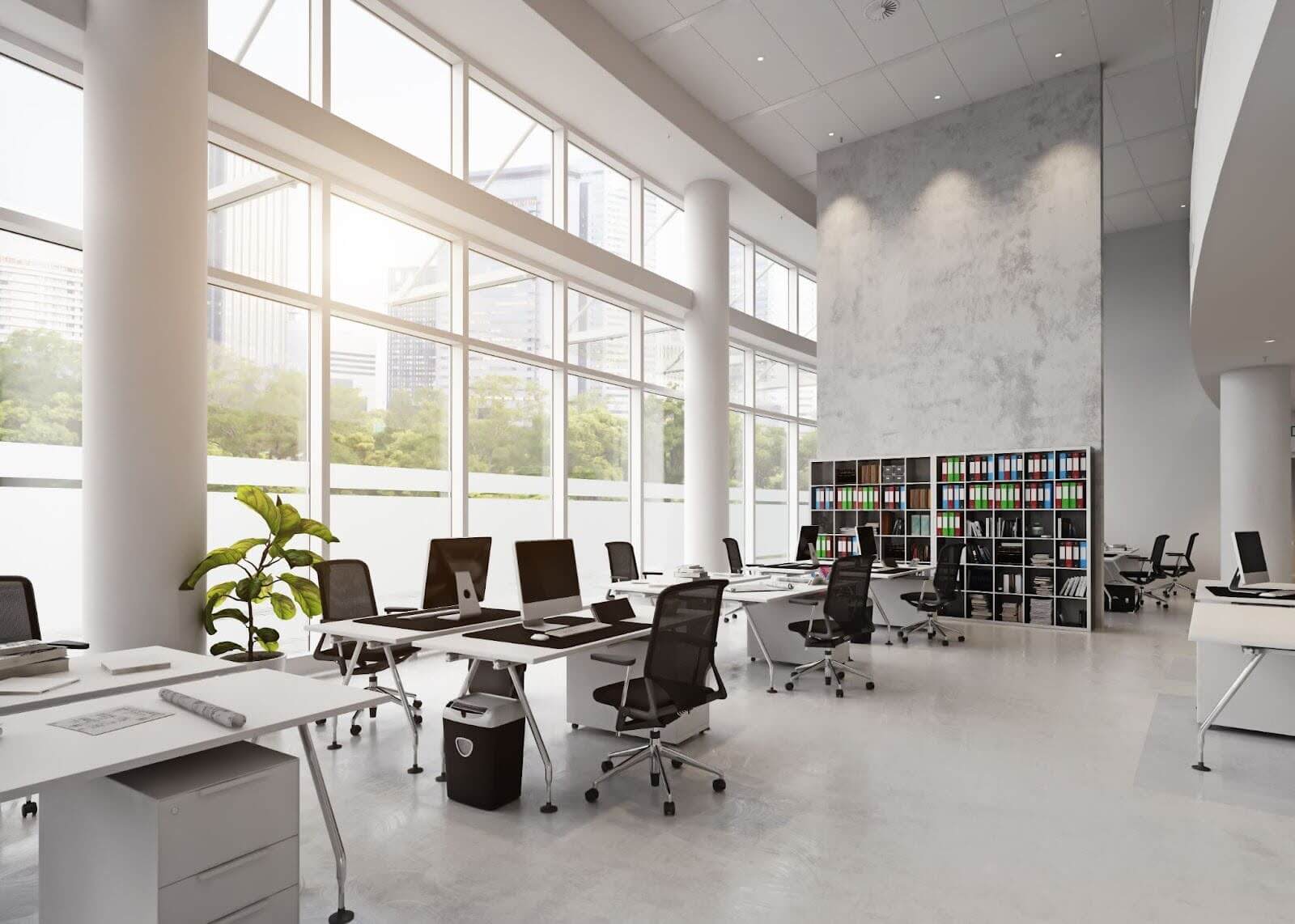
Furnishing an office is all about creating a space where your team can work well, feel comfortable, and collaborate easily. Whether you’re moving into a new space or rethinking the layout of your current one, this office furniture buying guide is here to help you make smart, long-term decisions.
From understanding how your team works to choosing the right types of furniture, we’ll walk you through the entire process.
Step 1: Understand How Your Office Functions
Start by thinking about how your team uses the space today and how you want them to use it in the future.
Are most people in the office every day? Is your team mostly hybrid? Do different departments need different setups? The answers will guide almost every furniture choice you make and the type of cubicle layout you choose.
Here are a few questions to help clarify your needs:
- Who needs a dedicated desk or workstation?
- Are private offices a must, or would you benefit from more open-plan areas?
- How many meeting spaces do you need — and what size?
- Will your office need quiet focus areas, breakout zones, or casual meeting nooks?
If your company is growing or evolving, make sure to plan for some flexibility. The best office furniture setup adapts as your team does.

Step 2: Map Out Your Space
Before diving into product lists, take time to measure and map your space. You’ll want a clear understanding of how much room you actually have to work with — and where key features like windows, doors, and outlets are located.
Here’s what to pay attention to:
- Total square footage and ceiling height
- Locations of doors, windows, and built-in features
- Electrical outlets and data ports
- Natural light sources and traffic flow patterns
A well-designed office layout strikes a balance between structure and movement. Leave enough room for people to get around easily, and don’t underestimate the value of natural light and good acoustics.
If you’re dealing with an open-concept office, sound can travel fast — glass wall systems can help create quiet zones without blocking light.
Step 3: Create a Realistic Budget
Furniture can be a significant investment, but the right setup pays for itself in improved productivity, reduced turnover, and a more pleasant place to work.
Start with the essentials, then build from there:
- Desks and ergonomic chairs
- Meeting tables and conference seating
- Cubicles or workstation partitions
- Reception furniture and lounge seating
- Storage: filing cabinets, lockers, credenzas, etc.
Also, plan for non-furniture costs like:
- Delivery and assembly
- Layout planning and design
- Installation services (Some vendors can handle this part for you. Learn more about our installation support.)
Don’t feel like you need to buy everything all at once. Prioritize your team’s most immediate needs and invest in modular systems that can grow with you.
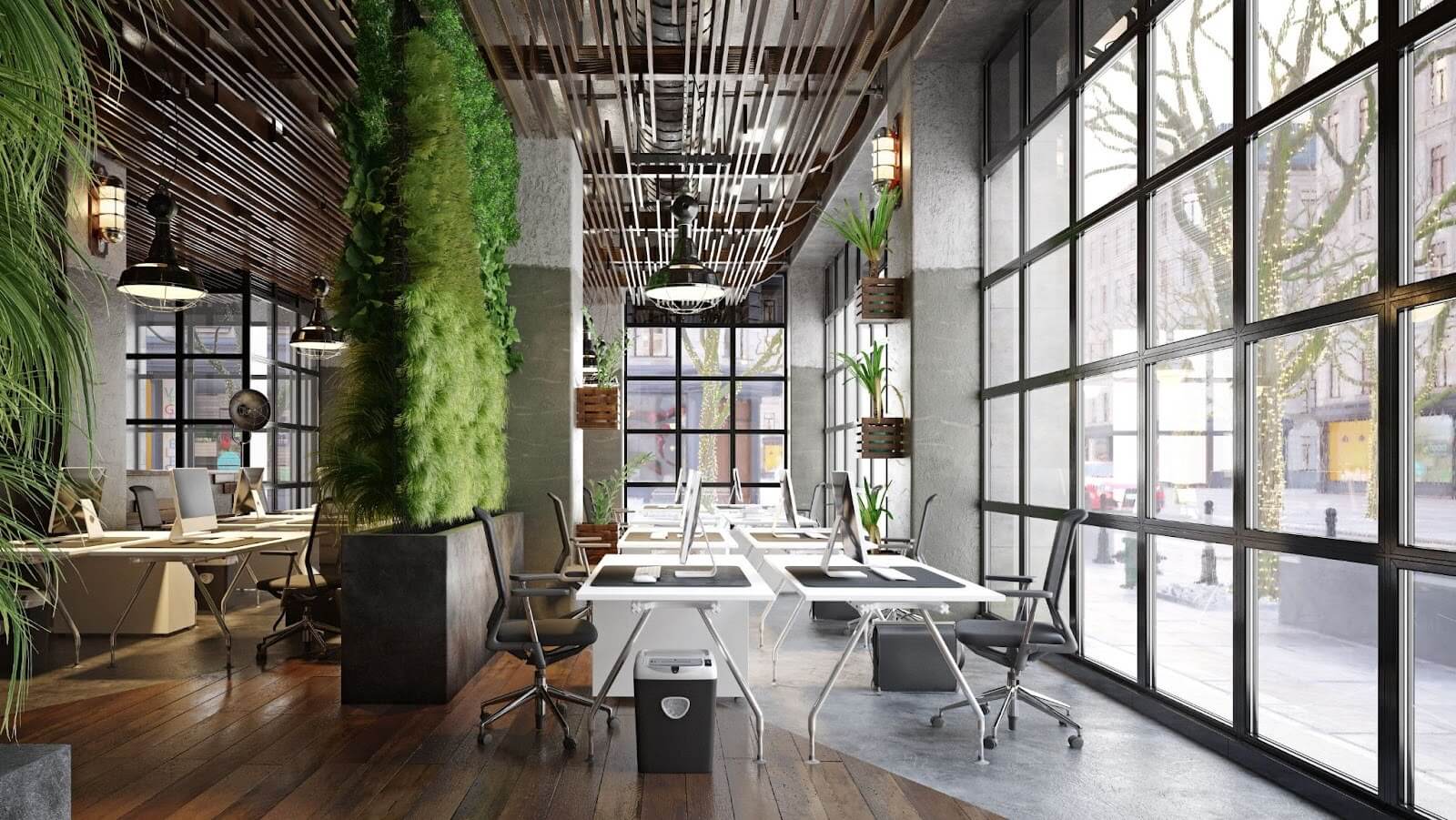
Step 4: Choose Furniture That Fits Your Workflow
Here’s where things start to get fun — and potentially overwhelming. With so many options, how do you choose what’s best?
We recommend narrowing your search by thinking about how your team works day to day. Start with the basics:
Workstations
- Sit-stand desks for posture variety
- Chairs with real ergonomic support (lumbar support, breathable mesh, and adjustability matter more than you’d think)
- Modular cubicles to support team expansions
- Privacy booths for teams that need privacy or focus time
Meeting Spaces
- Conference tables with built-in power and cable management
- Stackable or mobile chairs for flexibility
- Small meeting tables for breakout rooms or one-on-ones
Reception and Common Areas
- Durable, easy-to-clean seating
- Lounge chairs and sofas that strike a balance between comfort and professionalism
- Statement pieces that reflect your company culture
Storage
- Lockable cabinets and mobile pedestals
- Wall-mounted storage cabinets for saving space
- Hidden storage options to reduce clutter
And don’t overlook low-wall office workstations, which are perfect for dividing space without making it feel closed off.
Step 5: Coordinate Your Installation
Once you’ve chosen your furniture, it’s time to think about how everything’s getting installed. A smooth install can mean the difference between a quick transition and a week of headaches.
Here are a few ways to keep things on track:
- Choose a partner who handles delivery, staging, and assembly
- Schedule the install for after-hours or over a weekend to minimize disruptions
- Make sure your space is cleared and prepped ahead of time (clean floors, accessible doors, etc)
We offer complete installation services so you don’t have to juggle vendors or worry about the details.
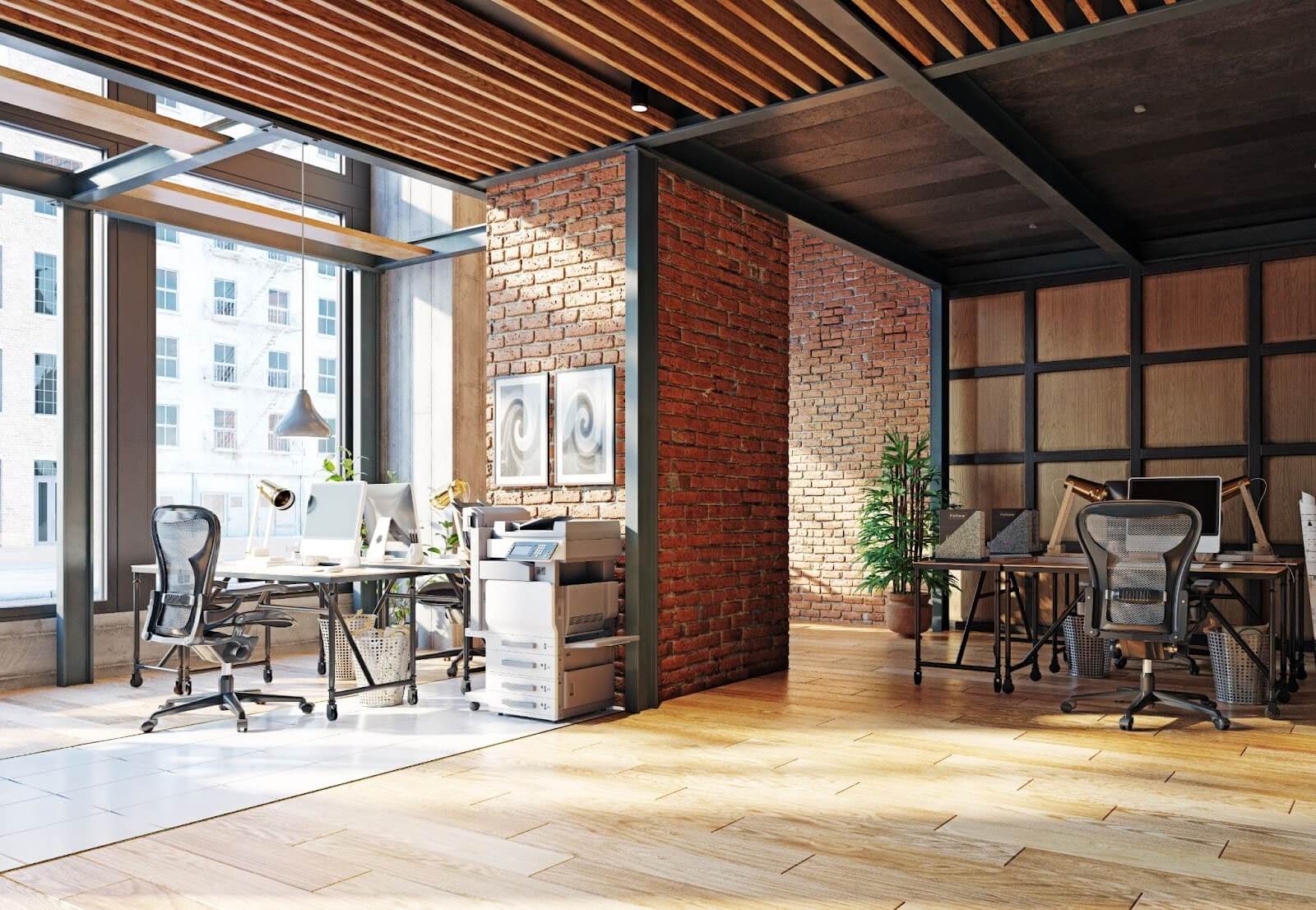
Step 6: Think About the Future
Your office needs will change, and your furniture should be ready for that. Choose systems that are modular, reconfigurable, and designed for long-term use. The more flexible your layout, the easier it’ll be to adapt when your team grows, shifts, or moves to hybrid schedules.
We also recommend documenting your floor plan and furniture specs. That way, if you need to order more pieces or reconfigure later, you’ve got all the info ready.
Looking to future-proof your layout? Consider solutions like:
- Height-adjustable desks and ergonomic seating
- Reconfigurable wall systems
- Modular storage and cubicles that adapt as your team changes
Furnish With Purpose
At the end of the day, learning how to furnish an office is more than just checking off some boxes; it’s about creating a space that supports your people and reflects how your business works.
Use this office furniture buying guide as your starting point. Whether you’re furnishing a 10-person startup or a 200-person HQ, the right furniture setup can help your team do their best work — comfortably, efficiently, and with pride.Need help designing or sourcing the right pieces? We’ve got you covered. Contact us for expert assistance in planning your space or check out our complete office design guide!